
Reflections from my first month as an NQP
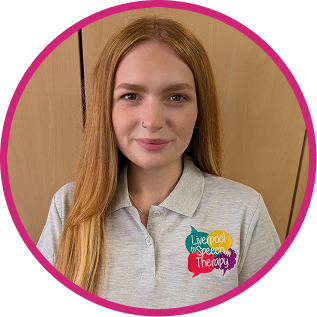

"Wait..you want me to make the decisions!?" Here are some reflections from my very first month as a Newly Qualified Speech and Language Therapist.
A few weeks ago, someone walked into school, glanced at me, and assumed I was the student. Ordinarily I'd have taken it as a compliment. Unfortunately, I was actually there as the Speech and Language Therapist.
Having gone straight from school to college, undergraduate study and then a Master's in Speech and Language Therapy, I haven't had many breaks along the way. The downside is that some of the children aren't entirely convinced I'm old enough to have a job (some of the teachers too!). The upside is that I can still understand at least some of the playground references they make.
One thing I've discovered quickly is that children respond best when they feel respected. I've never been particularly good at putting on a "teacher voice" or speaking in an exaggeratedly child-like way. Instead, I tend to get down to a child's level and talk with them rather than at them.
It turns out most children appreciate being spoken to like actual people!
My time in formal education taught me a lot and did prepare me to begin my career as an NQP Speech and Language Therapist. However, what I have noticed is that there is a world of jobs that university does not, or cannot, adequately prepare you for. I’m talking admin, organising diaries and caseloads, rembering passwords, finding rooms, remembering which child was in Year 5, and which was in Reception, and what was that important SENCO’s name again?
University prepared me brilliantly for assessment, intervention and evidence-based practice. But what I don't remember my course covering was how many tabs one human being can have open at the same time before their laptop starts making concerning noises!
Nobody tells you that the biggest adjustment from student to NQP isn’t always delivering the therapy, it’s getting used to hearing “What do you think?” and realising that they are actually asking you. As a student, you become so used to someone checking on your decision making, and then all of a sudden, you are writing reports, advising teachers, explaining your clinical reasoning, and having other professionals asking you what to do next. It felt so alien, initially, to have someone request and respect your clinical judgement, and the imposter syndrome can sneak in and make you feel like you’re lying to everyone around you!
One of the biggest learning curves has been realising that confidence doesn't arrive overnight with your qualification certificate. Sometimes you make a recommendation and immediately wonder whether a more experienced therapist would have done something different. What I've learned very quickly is that good clinical practice isn't about knowing everything. It's about making informed decisions, reflecting on them and knowing when to seek support.
The reason I've been able to grow so quickly isn't because I've suddenly become an expert. It's because I've been surrounded by people who answer questions without judgement, celebrate small wins and remind me that nobody starts their career knowing everything.
Every therapist on our team was once an NQP, and they've never made me feel silly for acting like one occasionally.
One month in, I still don't have all the answers. I occasionally walk into the wrong room, I still double-check things I'd probably be fine doing alone, and I ask far more questions than I answer. But each week I feel a little more like the therapist I worked so hard to become. Even if I do still get mistaken for the student sometimes!


